



Tips for your stay in Tenerife
Overview.
The island of Tenerife – your holiday experience
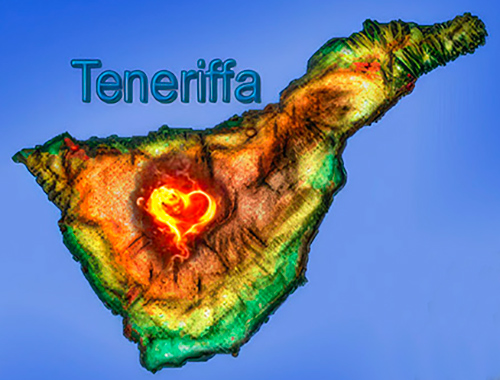
The name of the island, "Tenerife", originates from the language of the Guanches, the indigenous people of the Canary Islands. "Tenerife" – is composed, in the ancient Canarian language, of tener (mountain) and ife (white / snow-covered). Translated into English, Teneriffa therefore means "snow-capped mountain" or "white mountain". The name refers to the island’s highest mountain, the Pico del Teide (3,715 m – it was previously often quoted as 3,718 m), whose summit is often covered in snow in winter. It is the highest mountain in Spain and the third-highest island volcano in the world.
The official language is Spanish (with a Canarian dialect). In hotels, restaurants, car hire agencies, shops, etc. in the south and north of the island (such as Los Cristianos, Playa de las Américas or Puerto de la Cruz), you’ll have no trouble communicating in English.
There are also doctors, restaurants and service providers run by English-speaking staff.
In the island’s interior or in smaller mountain villages, without any Spanish or a basic knowledge of English, you’ll usually only be able to get by using gestures.
Highlights include the Anaga Mountains with their primeval laurel forests, the picturesque mountain village of Masca, and historic towns such as Garachico and La Orotava. Weather-wise, it is often cloudier and slightly cooler than in the south, but nature is in full bloom and lush.
Ideal for nature lovers, walkers, independent travellers and culture enthusiasts.
Highlights include the major tourist centres such as Costa Adeje, fine sandy beaches (some of which are man-made) and the spectacular cliffs of Los Gigantes.
It is warm and sunny almost all year round, with very little rainfall.
Ideal for beach holidaymakers, families and anyone looking for reliable summer weather.
Places worth visiting
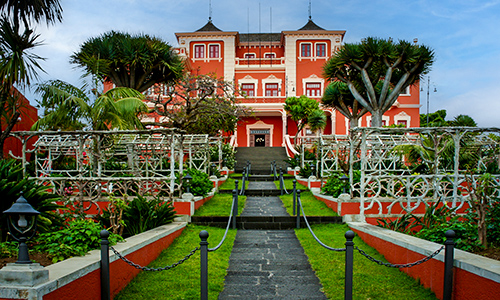
La Orotava
The historic town centre, comprising both the lower town (with its villas) and the somewhat more modest-looking upper town, is listed as a conservation area. In addition, individual buildings and gardens have been designated as ‘sites of special cultural significance’ by the Canary Islands Government.
San Cristóbal de La Laguna
is the university town and episcopal see of Tenerife. The historic town centre was laid out in its present form by the end of the 16th century. Many buildings, squares, museums and cultural sites invite visitors to explore and linger.
Garachico
A historic volcanic gem. This coastal town, steeped in history, was almost completely destroyed by a volcanic eruption in 1706 and subsequently lovingly rebuilt. Ideal for a relaxing day trip, offering the authentic charm of historic stone architecture and easy access to the sea.
Loro Parque
The world’s best modern zoo, located in Puerto de la Cruz. You should allow 6 to 8 hours. It’s the perfect way to experience all the large animal enclosures, aquariums and the four main shows (sea lions, parrots, dolphins and orcas) at a leisurely pace.
Places to visit by season
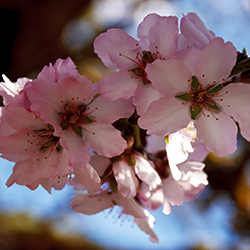
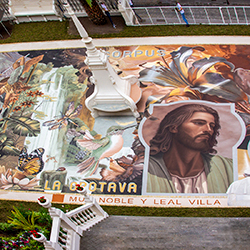
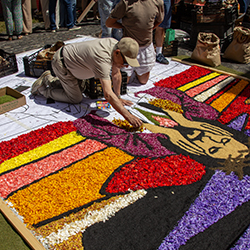
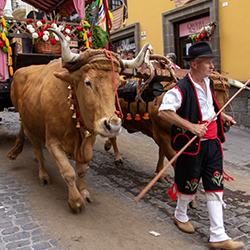
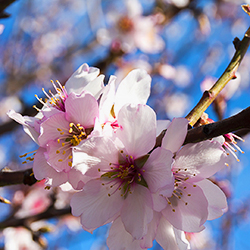
| Late January / February | Almond blossom | well worth seeing in Santiago del Teide |
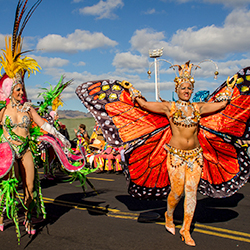
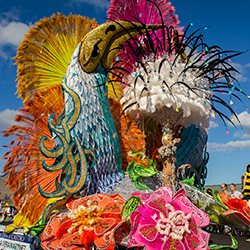
| February | Canarian Carnival | well worth seeing in Santa Cruz and Puerto de la Cruz |
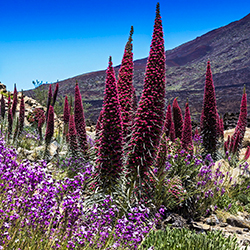
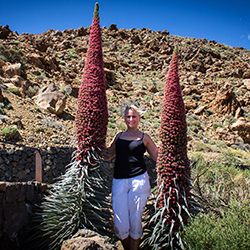
| Late May / June | Tajinasta blossom | only in the Cañadas of Pico del Teide |
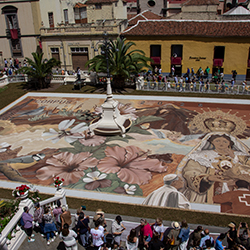
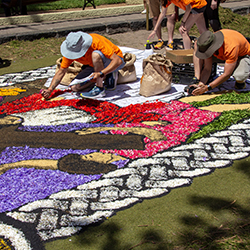
| June | Sand art & carpets of flowers | Corpus Christi in La Orotava |
| Summer and autumn | Romerías (harvest festivals) | in many towns across the island |
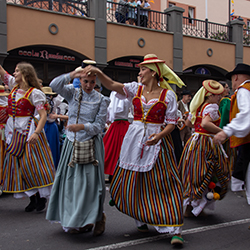
Enjoy the culinary specialities of the Canary Islands
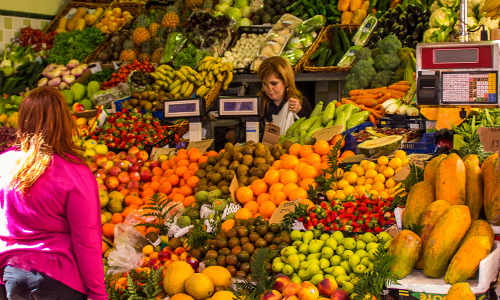
La Pimienta
(GPS: 28.4391, -16.4611 / approx. 13 km)
The best fish restaurant in the area, in La Matanza.
Wed–Sun 12.30–16.30
La Bodeguita de Enfrente or
El Calderito De La Abuela
(GPS: 28.4148, -16.5064 / approx. 7 km)
Canarian cuisine; the tapas are highly recommended, in Santa Úrsula.
Fri–Tue 17.00 – 22.30
Opening times are subject to change!
The most beautiful beaches in the area
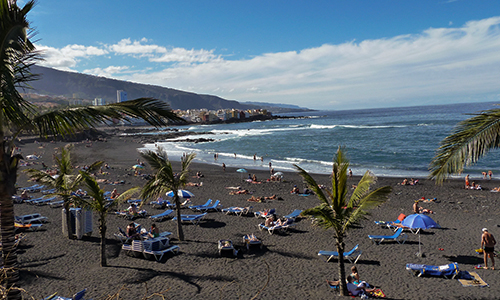
Playa de El Bollullo
(GPS: 28.4176, -16.5200 / approx. 8 km)
A beach on the cliffs below La Orotava; the last 500 metres are best reached on foot.
Playa del Socorro
(GPS: 28.3938, -16.6023 / approx. 11 km)
Beach with strong waves (surfers) near Los Realejos.
Playa Mesa del Mar
(GPS: 28.5014, -16.4245 / approx. 25 km)
Steep, winding descent, several beach sections and natural swimming pools.
Playa Las Teresitas
(28.5096, -16.1863 / approx. 47 km)
The island’s most beautiful beach, with yellow sand ‘imported’ from Africa, situated in the town of San Andrés.
Playa Jardín and Playa de Martiánez
(GPS: 28.4132, -16.5562 / approx. 8 km)
5 different beaches in Puerto de la Cruz and the Lago Martianez marine swimming pool – an open-air pool with an artificial lagoon.